Latest Update
Punjabi Movies :- Ishqnama (2026), Carry On Jatta 4 (2026), Rabb Da Radio 3 (2026), Ishqa'n De Lekhe (2026)
JattMovies
174 Punjabi films: village comedies, wedding comedies, love stories and stories of Punjabis abroad.
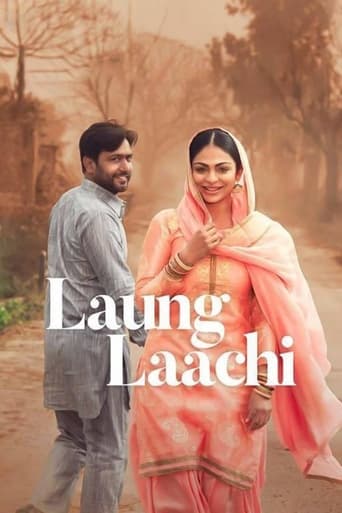

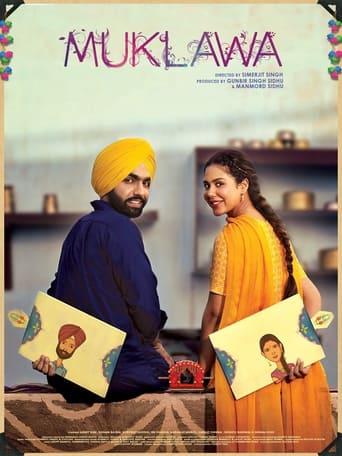
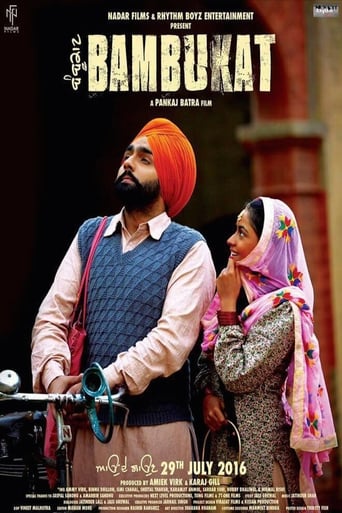
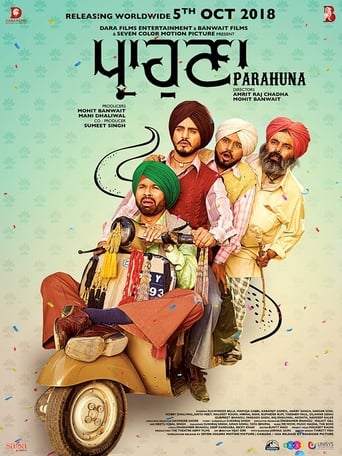

JattMovies: Punjabi films in English, from Bambukat, Rabb Da Radio, Laung Laachi and Munde U.K. De to Daana Paani, Muklawa, Parahuna and Godday Godday Chaa
Punjabi cinema is the cinema of a good mood. Its films are full of mustard fields and wedding drums, of grandmothers who rule the courtyard and uncles who give away every secret, of young men who would do anything for the girl next door and usually have to. In the past twenty years it has grown from a handful of films a year into one of the liveliest industries in India, loved in the villages of Punjab and equally in Toronto, Birmingham, Melbourne and wherever else Punjabis have settled. JattMovies is an English guide to it: 174 Punjabi films, each with its own page, its story in English, its year, its running time and a Watch now button that leads to the official services carrying it in your country.
The catalogue has been chosen by hand for family viewing. It gathers the village comedies, the wedding comedies, the love stories set in the Punjab of the grandparents, the tales of Punjabis abroad and a small shelf of films from Lahore. Action films, historical war films and devotional films belong to other guides.
The sections below are a relaxed tour: how the site is laid out, the revival of Punjabi cinema, the period romances, the weddings, the comedies, the stories from abroad, the stars and a few plans for a first week. Each section links to a short help page, and the How to watch page sums up the simple steps from a category to the official service.
How JattMovies looks
JattMovies keeps the look of the site it is named after, a cheerful, home-made page built for mobile telephones. Everything sits in one narrow white column. At the top is a grey bar with the name in large white bold letters and a short line beneath it. Under the bar, a line in red begins with the word Bookmark and links to My List, and then comes a row of grey tabs with a soft gradient, Home, Punjabi Movies, Comedy, Weddings, Love Stories and the A to Z list, the current one turning white with red lettering. A small search form follows, with a cream-coloured button. On a phone, the tabs fold into a dark three-line button in the grey bar.
The home page opens with a blue line reading Latest Update and, beneath it, a pale green band that names the four newest films, exactly as the original site announced its additions. The main heading and a line about the catalogue sit in a pale yellow box with an orange outline.
Then come the lists, which are the heart of the design. An orange bar reads Movie Categories, and under it every category has a boxed row of its own: a thin pink line at the left, the name of the category in bright pink bold lettering, and the number of films in square brackets. Further orange bars introduce Movie Stars and Movies By Year, each with rows of the same kind. Two small grids of posters follow, Most Watched and Weddings, each poster in a thin grey frame, then the help pages as another list, and finally this guide. A grey bar with the name of the site closes the page.
The grey bars, the orange headings, the pink-edged rows with their bracketed counts, the green update band, the cream button and the gradient tabs were all measured from the style sheet of a saved copy of the original site from August 2017. The pink of the links and the grey of the text have been deepened slightly, and the orange bars carry dark lettering, so that everything is easy to read. The page works with a keyboard, a screen reader and a small phone screen.
The revival
Punjabi cinema has an old history; the first Punjabi sound film was made in Lahore in the 1930s. But by the 1990s it had almost disappeared in India, and the story of today's industry begins in 2002. The The revival help page tells it briefly, and the Before 2015 category holds 46 films from the years of rebuilding.
Jee Aayan Nu, from 2002, was directed by Manmohan Singh, a celebrated cameraman of the Hindi film industry who came home to make films in his own language. A wealthy Punjabi who runs a television channel in Vancouver arranges the marriage of his daughter, raised in Canada, to a young man from a village in Punjab, played by the singer Harbhajan Mann; the question is who will move where. The film was handsomely photographed, clean and musical, and families who had given up on Punjabi films came back to the cinema.
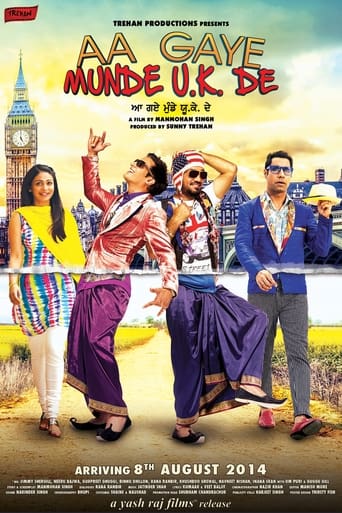
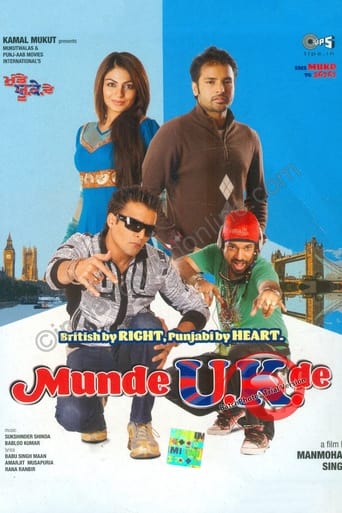
The same director and star followed it with Asa Nu Maan Watna Da, from 2004, in which a businessman returns from Calgary to find that the brother he has been sending money to has other plans for the family land; Dil Apna Punjabi, from 2006; and Mera Pind: My Home, from 2008, about a family that makes sacrifices to send its children abroad. Harbhajan Mann also leads Jag Jeondeyan De Mele, Yaara O Dildaara and Haani, a romance across two generations. Yaraan Naal Baharaan, from 2005, is a college love story with Jimmy Shergill, and Munde U.K. De, from 2009, sends two British-born Punjabi boys, played by Jimmy Shergill and Amrinder Gill, to Punjab for the first time, where one of them loses his heart to a village girl played by Neeru Bajwa. Its sequel in spirit, Aa Gaye Munde U.K. De, followed in 2014.
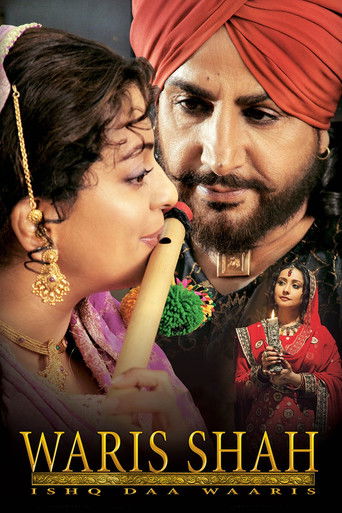
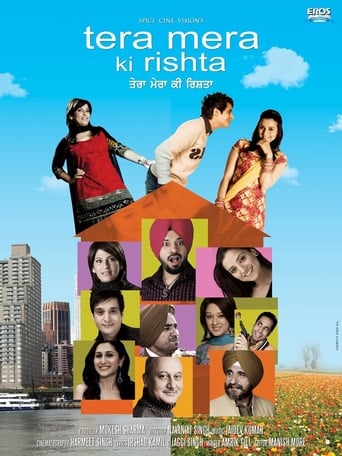
Other landmarks of those years are here too. Waris Shah: Ishq Daa Waaris, from 2006, tells the life of the eighteenth-century poet who wrote the great Punjabi epic of Heer and Ranjha, with the singer Gurdas Maan in the title role; it won several national awards. Tera Mera Ki Rishta, from 2009, brings a carefree young man from Vancouver to India for a wedding. Yaar Annmulle, from 2011, about three friends at a university hostel, became a favourite of students, and Virsa, from 2010, made by Indian and Pakistani producers together and set among Punjabis in Australia, is about an old man saddened to see his grandchildren forget their roots.
The satirist Jaspal Bhatti, famous for his television sketches, made four films that are listed here. Mahaul Theek Hai, from 1999, whose title means that the situation is fine, is a comedy about the police force that spares nobody. Jija Ji has him playing the brother-in-law of an important official and making the most of the connection, Chak de Phatte follows four men who each hope to emigrate by marrying the same visitor from Canada, and Power Cut, from 2012, a romance set in a town plagued by electricity failures, was his last work.
The Punjab of the grandparents
The most distinctive Punjabi films of the past ten years are set in the past: in villages of mud walls and brass pots, before television, when a radio was a marvel and a motorcycle a sensation. The Village and period category holds 33 films, and the Village and period help page offers a tour.
Bambukat, from 2016, directed by Pankaj Batra and written by Jass Grewal, is the film that started the fashion. It is 1960. Channan Singh, a dark-skinned, cheerful farmer played by Ammy Virk, marries Pakko, played by Simi Chahal, and is thoroughly looked down on by her family, who dote on their other son-in-law, a railway official with a fine bicycle and fair skin, played by Binnu Dhillon. Channan decides to win their respect by arriving at his in-laws' house on a motorcycle, a bambukat, which he will build himself. The film is funny and touching, its songs were sung everywhere, and it made Ammy Virk the leading star of his generation.
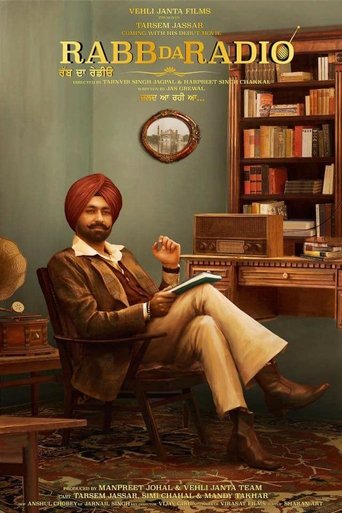
Rabb Da Radio, from 2017, is set in the 1980s in a large joint family whose brothers have fallen out and divided the courtyard with a wall. Guddi, a young cousin played by Simi Chahal, sees a visitor at a wedding, a quiet young man played by Tarsem Jassar, and hopes; the family's quarrels stand in the way. The title means God's radio, the villagers' name for the voice of conscience. Rabb Da Radio 2, from 2019, follows Guddi to her new home after marriage, where she finds another divided family; it won the national award for the best Punjabi film. Rabb Da Radio 3 followed in 2026.
Daana Paani, from 2018, is set in the 1960s. Mehtab Singh, an army havaldar played by Jimmy Shergill, is given the duty of visiting the families of soldiers from his district, and in one village he meets Basant Kaur, a young woman played by Simi Chahal who has grown up apart from her mother and has been waiting for her all her life. The film is gentle and beautifully acted. Muklawa, from 2019, takes its title from an old custom by which a bride returned to her parents' house after the wedding and joined her husband only months or years later; Shinda, played by Ammy Virk, has yet to see the face of his wife, played by Sonam Bajwa, and is determined to catch a glimpse of her.
Jodi, from 2023, written and directed by Amberdeep Singh, is set in the Punjab of the 1980s, in the world of the village singing duos who performed on open stages for enormous crowds. Diljit Dosanjh and Nimrat Khaira play a pair of singers who rise together, and the film is a tribute to a vanished style of music. Paani Ch Madhaani, from 2021, follows a band of musicians of the same period to London, and Nadhoo Khan, from 2019, is set before independence, in the world of village wrestling.
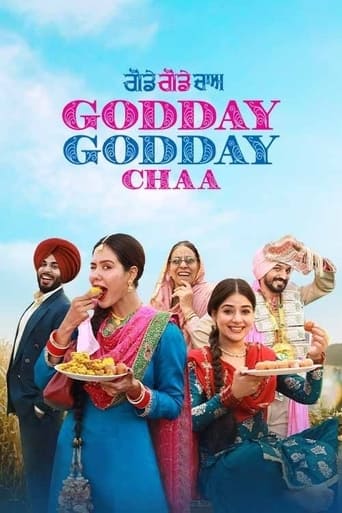
Godday Godday Chaa, from 2023, looks back to the 1990s, when in many Punjabi villages women were kept at home while the men of the family travelled with the groom's wedding procession. Rani, played by Sonam Bajwa, and the other women of her husband's household decide that this must change, and their campaign, which is carried on with wit and determination, is one of the most enjoyable comedies of recent years. It won the national award for the best Punjabi film. Sardar Mohammad, from 2017, written by and starring Tarsem Jassar, is the story of a boy who was separated from his family at Partition and raised with love by another, and who sets out as a grown man to find his mother; and Bhalwan Singh, Ishqnama, Uda Aida and Afsar, in which a young land-records officer falls in love with a schoolteacher, are set in the villages of yesterday and today.
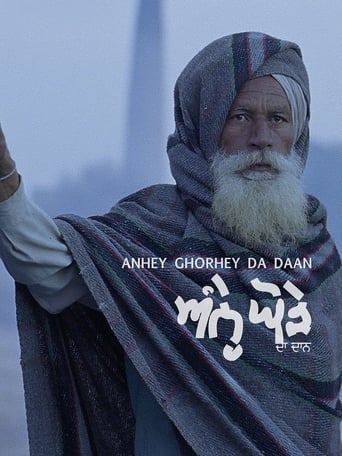
Two films of a different kind belong to this category. Anhey Ghorhey Da Daan, from 2011, directed by Gurvinder Singh from a novel by Gurdial Singh, follows one day in the life of a village family and of a son who pulls a cycle rickshaw in the city. It is quiet, grave and beautifully photographed, and it won national awards for direction and cinematography. The Lamp of the Tomb, from 1989, known in Punjabi as Marhi Da Deeva, comes from another novel by the same writer and was one of the first Punjabi films to be honoured nationally.
Weddings
A Punjabi wedding lasts for days, involves every relative within a hundred miles and offers endless opportunities for comedy. The Weddings category holds 50 films, and the Weddings help page sorts them.
Laung Laachi, from 2018, written and directed by Amberdeep Singh, who also plays the lead, has an unusual idea. A newly married couple agree, at the wife's playful suggestion, to live as strangers and to court each other from the beginning; then a famous singer, played by Ammy Virk, takes a room in the house and takes the game seriously. Neeru Bajwa plays the wife, and the title song became one of the most watched Indian music videos of all time.
The son-in-law is a figure of great importance in a Punjabi family, to be honoured on every visit, and several comedies turn on the custom. Parahuna, from 2018, whose title means the guest, is about the fuss made of sons-in-law at a village wedding. In Fuffad Ji, from 2021, an elder and a younger son-in-law of the same family, played by Binnu Dhillon and Gurnam Bhullar, compete for precedence. Jawai Bhai begins when a family fails to provide new bedding for its visiting son-in-law, and Naukar Vahuti Da is about a husband who must win back his wife and her family.
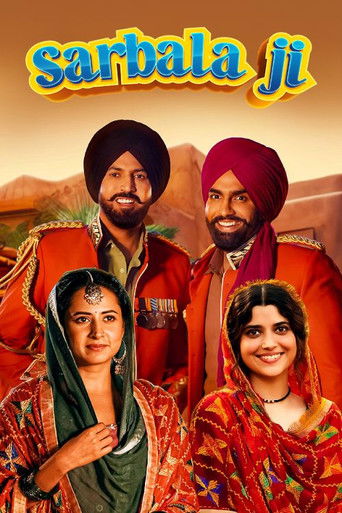
Marriage Palace, from 2018, is set in the days when grand wedding halls first appeared in Punjab; two wedding parties arrive at the same hall on the same day, and two brides leave with the wrong grooms. Manje Bistre 2, from 2019, takes a family wedding to Canada, with all the borrowing of beds and bedding that the title describes. Vadhayiyaan Ji Vadhayiyaan, Kaake Da Viyah, in which a young man's mother and grandmother each choose him a different bride, Sohreyan Da Pind Aa Gaya, Main Viyah Nahi Karona Tere Naal, Shava Ni Girdhari Lal, about a good-hearted man who has almost given up hope of finding a wife, Ni Main Sass Kuttni, Sass Meri Ne Munda Jameya, Viah Te Loan and Sarbala Ji, from 2025, in which a best man's prank goes badly wrong, keep the band playing.
Comedy
The Comedy category holds 91 films, more than half the catalogue, and the Comedy help page picks out the best. Punjabi comedy is quick, verbal and affectionate, and it depends on a company of comedians whom audiences treat as family.
The Comedy kings category gathers 79 films with the best known of them, and the Comedy kings help page introduces the faces. Gurpreet Ghuggi, who appears in 22 films here, began on the stage and on television and can play a village busybody, a harassed father or a sly lawyer; in Son of Manjeet Singh, from 2018, he takes a serious leading role as a single father who wants his cricket-mad son to concentrate on his studies. Binnu Dhillon, with his long face and perfect timing, is the rival son-in-law of Bambukat, the bridegroom of Vadhayiyaan Ji Vadhayiyaan, who loses his sight the morning after his own engagement party, and the hero of Naukar Vahuti Da and Gol Gappe. Karamjit Anmol, Jaswinder Bhalla, B. N. Sharma, Rana Ranbir and the actresses Nirmal Rishi and Upasna Singh complete the company.
Smeep Kang, the director of nine films in the catalogue, is the craftsman of the big comedy. Double Di Trouble, from 2014, is a version of Shakespeare's Comedy of Errors with two pairs of identical fathers and sons, played by Dharmendra and Gippy Grewal; Vaisakhi List is about two prisoners who break out of jail the night before they were to be pardoned and must break back in; Carry On Jatta 4, from 2026, is the latest chapter of the most successful comedy series in Punjabi; and Mr & Mrs 420 Returns, Marriage Da Garriage and Paisa Yaar N Panga belong to the same school.
Fantasy gives several comedies their start. In Mar Gaye Oye Loko, from 2018, a young man played by Gippy Grewal arrives in the afterlife by mistake and is sent back in the wrong body. In Ikko Mikke, from 2020, with the singer Satinder Sartaaj, a quarrelling husband and wife wake up to find that each is living inside the other. Nikka Zaildar 3, with Ammy Virk, has a father's spirit moving into his son, Raduaa and Raduaa Returns send four friends travelling through time with the help of an old radio, and Annhi Dea Mazaak Ae and Maa Da Ladla bring in the famous stage comedians of Lahore.
Many comedies have a point to make. Laatu, from 2018, is set in the years when electricity first reached the villages; a young man must get a light bulb installed in his house before his sweetheart's father will agree to the match, and the officials take their time. Do Dooni Panj, from 2019, follows a young man with a doctorate who is unable to find work and takes his school and teachers to court. Furlow, from 2025, follows a tailor who becomes a food inspector and enjoys his new importance a little too much, and Saadey CM Saab is about three friends who dislike politics until one of them becomes chief minister. Mindo Taseeldarni, Kuriyan Jawan Bapu Preshaan, about the father of several daughters, Kanjoos Majnu Kharchili Laila, about a miser in love with a spender, Ji Wife Ji, Khaao Piyo Aish Karo and Phaphey Kuttniyan, from 2025, in which two housewives win at every kitty party until the police take an interest, are good company on any evening.
Love stories
The Love stories category holds 80 films, and the Love stories help page suggests where to start.
Ammy Virk and Sonam Bajwa are the favourite romantic pair of recent years. Besides Muklawa, they appear together in Puaada, from 2021, in which a farmer and the girl next door find every possible obstacle between them and the wedding, and in Sher Bagga, from 2022, in which a young man searching abroad for the love of his life finds an unexpected friend. Ammy Virk and Sargun Mehta lead Qismat 2, from 2021, a story of selfless love, written and directed by Jagdeep Sidhu, whose songs made half of India cry. Oye Makhna, Chhalle Mundiyan, Saunkan Saunkanay 2 and Gaddi Jaandi Ae Chalaangaan Maardi are lighter outings for the same star.
Galwakdi, from 2022, pairs Tarsem Jassar, as a librarian who needs everything in perfect order, with Wamiqa Gabbi, as a young woman who leaves chaos wherever she goes. Mahi Mera Nikka Jeha is about a short young man and the tall girl he loves, whose family measures him and finds him wanting; Umran Ch Ki Rakheya is about two people who fall in love late in life, to the alarm of their grown-up children; and Jind Mahi, Dil Diyan Gallan, Tere Layi, Teri Meri Gal Ban Gayi, Kulche Chole, about an unemployed engineer who opens a food stall, Jal Wayu Enclave and Rang Ratta are romances of the past few years.
Older romances have their own charm. Hashar - A Love Story, from 2008, starred the singer Babbu Maan, Jugni and Ishq Garaari are about friends who fall for the same girl, and Oye Hoye Pyar Ho Gaya, Mundeyan Ton Bachke Rahin, Dildariyaan, Arjan, Sargi, about a village girl married to a man from abroad while the boy who loves her watches, and Ishq Na Hove Rabba show how the Punjabi love story changed during the 2010s.
Punjabis abroad
Millions of Punjabis live outside India, and the journey abroad, legal or otherwise, and the journey home are among the great subjects of Punjabi cinema. The Punjabis abroad category holds 29 films, and the Punjabis abroad help page arranges them.
Chal Mera Putt 3, from 2021, is the third film of a much-loved series about a household of Punjabis, from both India and Pakistan, who share a small house in England while they wait for their papers and take whatever work they can find. Amrinder Gill and Simi Chahal lead a cast that includes several of the best comedians of Lahore, and the series is remembered for its warmth as much as its jokes. Sat Shri Akaal England, from 2017, with Ammy Virk, is about a young man who will try anything to reach Britain, and Bina Band Chal England and Beautiful Billo are comedies set among families there.
Canada is the other great destination. Jindua, from 2017, set among young Punjabis in Calgary, follows a man who must choose between the woman who has stood by him and the one who has caught his eye. Sardara and Sons moves an elderly father to Canada to live with his son's family, Ardaas Karaan, from 2019, directed by Gippy Grewal, follows three elderly friends in Canada who try to pass their values on to their children and grandchildren, and Sarvann, also from 2017, brings a young man raised abroad back to Punjab to find his roots.
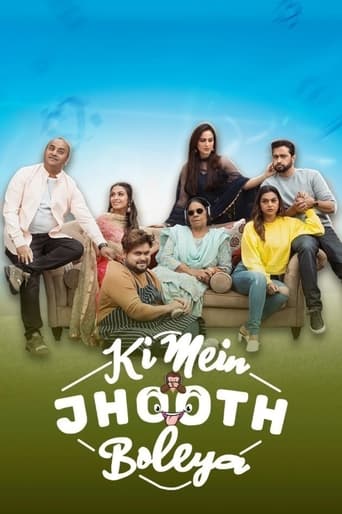
The films are honest about what is lost. Birha : The Journey Back Home shows a village family affected by a son's ambition to leave, Mithde, from 2025, written and directed by Amberdeep Singh, follows a young man torn between staying to help his village and following his friends abroad, Dil Pardesi Ho Gaya is about families divided by a border, and Munda Southall Da, PHD - Pyaar Hai Drama, Mahi NRI, Romeo Ranjha and Ki Mein Jhoot Boleya treat the same subject with a lighter touch.
Family films
The Family category holds 75 films, and the Family films help page suggests a few to begin with.
Asees, from 2018, written and directed by the actor Rana Ranbir, who also plays the lead, is the story of a simple, loving son and his mother, and of the greed of the relatives around them; it is one of the most admired Punjabi films of its decade. Main Te Bapu, from 2022, casts the singer Parmish Verma opposite his own father as a son who must find a wife for his widowed father before he can marry himself. Maa Da Ladla is a comedy about a struggling actor hired to play a father, and Madhaniyan, Shukrana, Raavi de Kande and Balle O Chalaak Sajjna are dramas of village households.
Sport and school give several family films their stories. Khido Khundi, from 2018, is set in Sansarpur, a village famous for producing hockey players, and follows two brothers and a team of local boys. Ashke, from the same year, stars Amrinder Gill as a former champion of bhangra, the dance of Punjab, who is persuaded to coach a college team. Uda Aida, from 2019, follows a poor couple who send their son to an expensive English-medium school and must cope with the other parents, and Hoshiar Singh, from 2025, stars Satinder Sartaaj as a man who was once thought unfit for school and becomes a teacher determined to save one. Rode College, Yaar Annmulle 2, High End Yaariyaan and Chhatri are about students and young people finding their way.
Singers on screen
In Punjab, film stars are singers first. The Singers on screen category holds 72 films, and the Singers on screen help page follows the best-known names.
The pattern was set by Gurdas Maan and Harbhajan Mann, who were famous on stage long before they acted, and it has continued ever since. Ammy Virk, who has 14 films here, was a successful singer when he made his first film in 2015; within a year, Bambukat had made him a star, and his honest, slightly bashful manner suits the period films especially well. Tarsem Jassar, with nine, writes many of his own films and prefers thoughtful stories, Rabb Da Radio, Sardar Mohammad, Afsar, Uda Aida and Galwakdi among them. Gippy Grewal, with eight, is a producer and director as well as a star, and Amrinder Gill, with six, is known for choosing few films and good ones: Ashke, Chal Mera Putt 3, Laiye Je Yaarian and Mittran Da Challeya Truck Ni, in which he plays a lorry driver looking for a sensible wife.
Diljit Dosanjh, now known around the world, appears in Disco Singh, from 2014, as a struggling singer with an unfortunate name, and in Jodi. Roshan Prince has nine films, Gurnam Bhullar five, among them Ishqa'n De Lekhe, and Ranjit Bawa, Jassie Gill, Sharry Mann, Ravinder Grewal and Satinder Sartaaj are all represented. It follows that the songs in these films are of a high standard, and many of them were hits before the film reached the cinema.
Leading ladies
The Leading ladies category holds 65 films, and the Leading ladies help page introduces the actresses. Neeru Bajwa, who appears in 13 films, has been the first lady of Punjabi cinema since Dil Apna Punjabi and Munde U.K. De; she now produces films as well, and in Beautiful Billo, Shukrana and Phaphey Kuttniyan she plays women of her own age with great spirit.
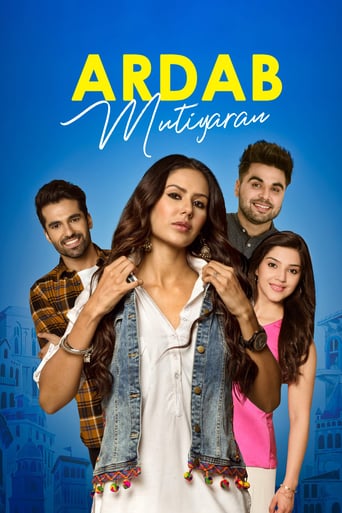
Sonam Bajwa, with seven films, moved from romantic parts to roles with more bite: in Ardab Mutiyaran, from 2019, she plays Babbu Bains, a recovery agent for a finance company who takes orders from nobody, and in Godday Godday Chaa she leads a household of women. Simi Chahal, with eight, is the gentle heroine of Bambukat, Rabb Da Radio and Daana Paani. Sargun Mehta, Tania, Wamiqa Gabbi, Nimrat Khaira, Mandy Takhar and Isha Rikhi all have several films here, and the veteran Nirmal Rishi, who has played grandmothers for a generation, appears in six.
Films from Lahore
Punjab was divided in 1947, and Lahore, on the Pakistani side, has a Punjabi film tradition of its own. The Films from Lahore category holds 14 films, and the Films from Lahore help page describes them.
Heer Ranjha, from 1970, directed by Masud Pervaiz, is the classic. It tells the legend of Heer, the daughter of a wealthy family of Jhang, and Ranjha, the youngest son of a village headman, who becomes a herdsman in her father's fields to be near her. Firdous and Ejaz Durrani play the lovers, the music is by Khurshid Anwar and the songs are sung by Noor Jehan; it is regarded as the finest Punjabi film ever made in Pakistan. Mangti, from 1961, and Thah, from 1972, are from the same golden period.
Choorian (Bangles), from 1998, directed by Syed Noor, with Saima and Moammar Rana, was the greatest success in the history of Pakistani Punjabi cinema: a young man from the city comes to stay with relatives in a village and falls in love with a cousin whose stepmother treats her harshly. The same director made Majajan, from 2006, Jugni and Wohti Le Kay Jani Aay, about a village musician in love. Ishq Khuda, from 2013, is a musical drama, and London Nahi Jaunga, from 2022, a glossy family comedy with Humayun Saeed and Mehwish Hayat, moves between Punjab and England. In recent years, Indian and Pakistani Punjabi artists have worked together in films made abroad, and the comedians Iftikhar Thakur and Nasir Chinyoti are now as familiar to Indian audiences as to their own.
Year by year
Three categories arrange the catalogue by date, and the Year by year help page describes them. The Before 2015 category holds 46 films, from Heer Ranjha and The Lamp of the Tomb to Jee Aayan Nu, Munde U.K. De, Yaar Annmulle, Double Di Trouble and Disco Singh.
The 2015 to 2019 category holds 51 films. These were the years of the period films and of a new confidence: Bambukat, Rabb Da Radio, Sardar Mohammad, Laung Laachi, Daana Paani, Asees, Parahuna, Ashke, Muklawa, Ardab Mutiyaran and Rabb Da Radio 2.
The The 2020s category holds 77 films, the largest of the three, which shows how fast the industry has grown: Ikko Mikke, Qismat 2, Puaada, Fuffad Ji, Chal Mera Putt 3, Sher Bagga, Galwakdi, Jodi, Godday Godday Chaa, Mithde and Carry On Jatta 4. The green band at the top of the home page always names the four newest.
The Top rated category gathers the 45 films with the highest ratings from viewers around the world. Punjabi films are rated by few people outside the community, so many of the figures rest on a handful of votes; the Most Watched grid on the home page is a useful second guide.
A few words of Punjabi
Titles become friendlier with a little vocabulary. Munde means boys, as in Munde U.K. De, the boys from Britain; kuriyan or mutiyaran means girls, as in Ardab Mutiyaran, the fearless girls. Viyah or viah is a wedding, as in Kaake Da Viyah; a parahuna is a guest, and by custom the most honoured guest is the son-in-law, who is also called jawai, while fuffad is the husband of one's father's sister, a relative famous in jokes for standing on his dignity. Sass is a mother-in-law and sohre are the in-laws in general, as in Sohreyan Da Pind Aa Gaya, which means we have reached the in-laws' village.
Pind is a village, as in Mera Pind: My Home; yaar is a friend, as in Yaar Annmulle, priceless friends; and jatt, the word in the name of this site, is the farming community of Punjab, used loosely for any sturdy son of the soil. Rabb is God, ishq is love, and chaa, in Godday Godday Chaa, is the kind of joy that comes up to your knees.
Finding a film
There are several ways to find a film on JattMovies, and the Finding titles help page describes each one. The search box near the top of every page accepts a title and shows matching films as you type. The A to Z page lists all 174 films in alphabetical order, the Punjabi Movies page lists them by popularity, and the home page lists every category in a row of its own with its count in square brackets.
Punjabi titles are written in English letters in many ways, with doubled vowels and letters added for luck, so if a search finds too little, type a shorter part of the name. Sequels carry their numbers: Rabb Da Radio, Rabb Da Radio 2 and Rabb Da Radio 3 are three chapters of one story, Chal Mera Putt 3 and Manje Bistre 2 can be enjoyed on their own, and Raduaa Returns follows Raduaa.
What a title page shows
Every film has a page of its own. At the top are the poster, the title, the original Punjabi title, the year, the running time and the rating from viewers around the world. Below come the story in English, the genres, the director and the leading actors, and a row of related films from the same categories. The Watch now button opens a list of the official services that carry the film in your country.
Punjabi films are well served online. A streaming service devoted to Punjabi cinema carries much of the catalogue, the large international services hold the best-known titles, and several producers show older films free on their official channels. Viewers in Canada, Britain, Australia and New Zealand will find those countries in the list of regions, since many Punjabi films open there on the same day as in India. English subtitles are common for recent films. Availability changes from month to month, so the list on each title page is the place to look.
The Add to My List button on a title page puts a film aside for another evening. The list sits in your own browser on the device you are holding, with neither a sign-up nor a password, and the Bookmark line under the grey title bar leads back to it. The My List help page explains how to remove films and how to move the list to another device.
Songs, dances and festivals
Music runs through every film on JattMovies. Bhangra, the harvest dance of the men, with its raised arms and the beat of the big dhol drum, and giddha, the clapping dance of the women, with its teasing rhymed couplets called boliyan, appear in almost every wedding scene. Ashke is built around a bhangra competition and is the best introduction to the dance on film, and the women of Godday Godday Chaa and Laung Laachi sing boliyan that say what polite conversation leaves out.
The older folk forms are honoured as well. Jodi is a tribute to the duet singers who toured the villages in the 1980s, performing on wooden platforms to crowds of thousands, with a tumbi, the single-stringed instrument of Punjab, for accompaniment. Wohti Le Kay Jani Aay has a village musician for a hero, Ishq Khuda draws on the devotional music of the Sufi shrines, and Heer Ranjha is sung almost throughout in the old melody of the Heer, which every Punjabi knows.
The calendar of the countryside gives the films their settings. Vaisakhi, in April, marks the wheat harvest and the new year, and lends its name to Vaisakhi List. Lohri, in January, is celebrated around a bonfire with sesame sweets and popcorn, and it is the favourite evening for a first meeting between two families. Teeyan, the festival of the swings during the rains, brings married daughters home to their mothers, and the long wedding season of the winter months explains why so many films end with a procession, a brass band and a groom on a white mare.
Choosing by mood
If the categories seem too many, choose by mood. For a loud, happy evening with a full room, take a wedding comedy: Vadhayiyaan Ji Vadhayiyaan, Parahuna, Fuffad Ji or Kaake Da Viyah. For a quiet evening for two, take a period romance: Muklawa, Daana Paani or Rabb Da Radio 2. For grandparents, Ardaas Karaan, Asees and Sardara and Sons speak directly to an older generation, and for teenagers, Rode College, Yaar Annmulle 2 and High End Yaariyaan are about friends of their own age.
For a viewer who is far from home, the films of the Punjabis abroad category will feel familiar, Mithde and Sarvann above all. For a viewer who wants to learn about the culture, the Village and period category is a small museum of customs, costumes and houses. And for a viewer who simply wants to laugh after a long day, the Comedy category has 91 films, enough for three months of evenings.
It also helps to follow a favourite face. If you enjoyed Ammy Virk in Bambukat, go on to Sat Shri Akaal England, Muklawa, Puaada and Oye Makhna. If Tarsem Jassar in Rabb Da Radio pleased you, Sardar Mohammad, Afsar and Galwakdi are the natural next steps, and admirers of Sonam Bajwa can move from Muklawa to Ardab Mutiyaran, Sher Bagga and Godday Godday Chaa. The cast list on each title page is the starting point: note a name there, and the search box and the star categories will lead you to the rest of that actor's films.
A first week
For a newcomer to Punjabi cinema, here are seven evenings. On the first, watch Bambukat, and you will understand the appeal at once. On the second, Rabb Da Radio. On the third, laugh with the women of Godday Godday Chaa. On the fourth, enjoy the game of Laung Laachi. On the fifth, go to England with Chal Mera Putt 3. On the sixth, spend a gentle evening with Daana Paani, and on the seventh, hear the old duets of Jodi.
A second week might hold Muklawa, Asees, Munde U.K. De, Parahuna, Ardab Mutiyaran, Sardar Mohammad and Qismat 2. For an evening of pure nonsense, try Double Di Trouble, Mar Gaye Oye Loko or Carry On Jatta 4; for something thoughtful, Anhey Ghorhey Da Daan; and for a taste of Lahore, Heer Ranjha and Choorian (Bangles).
The people behind the films
A few names behind the camera are worth knowing. Manmohan Singh, who began the revival with Jee Aayan Nu, has seven films here. Amberdeep Singh, a writer, director and actor, wrote Laung Laachi, Jodi and Mithde, and his scripts set the tone for the period film. Jass Grewal wrote Bambukat and Rabb Da Radio. Pankaj Batra directed Bambukat and Virsa, Simerjit Singh directed Muklawa and Nikka Zaildar 3, Ksshitij Chaudhary directed Mr & Mrs 420 Returns and Uda Aida, and Jagdeep Sidhu, the most successful writer of the past few years, made Qismat 2.
Punjabi cinema is also unusual in the number of stars who produce their own films. Gippy Grewal, Ammy Virk, Amrinder Gill, Neeru Bajwa and Tarsem Jassar all run production companies, which gives them the freedom to choose stories they believe in, and it is one reason why films about village customs, grandparents and schoolteachers are made at all. The music companies of Punjab, which grew rich on wedding songs, are the other great source of support.
The audience completes the picture. A Punjabi film is released on the same Friday in Ludhiana, Brampton, Southall and Melbourne, and a large share of its income comes from abroad. That is why so many stories move between a village in Punjab and a suburb in Canada or England, and why the films speak with such feeling about home.
How the catalogue is kept
The films on JattMovies are chosen one at a time. A person reads the story, the certificate and the reviews of each before it is listed, and films that are too violent or too adult for a family evening are sent to other guides. The summaries are short and in plain English, the years and running times are checked against the public film databases, and the posters are the official ones. The categories, the bracketed counts and the green update band are rebuilt each time the catalogue is refreshed.
JattMovies is a guide. It keeps neither films nor downloads of any kind; the Watch now button opens an official, licensed service, so the singers, actors and crews of Punjab are paid when you watch.
Questions and answers
Questions
What is JattMovies?
JattMovies is an English guide to 174 Punjabi films. Each film has a page with its story, year, running time, director and cast, and a Watch now button that leads to the official services carrying it in your country.
Which films should I watch first?
Start with Bambukat, Rabb Da Radio, Godday Godday Chaa, Laung Laachi, Daana Paani and Jodi. The first-week plan in the guide suggests many more.
Is the catalogue suitable for families?
Yes. Every film is chosen by hand for a family audience, with an emphasis on comedies, wedding stories, love stories and family dramas.
What does jatt mean?
It is the name of the farming community of Punjab, and it is used informally for a sturdy, plain-spoken Punjabi. It appears in the titles of many Punjabi films and songs.
Are the films subtitled in English?
Recent Punjabi films usually have English subtitles on official services. The services listed on each title page show the languages they provide.
Are there films from Pakistan?
Yes. The Films from Lahore category holds 14 Punjabi films from across the border, among them the classic Heer Ranjha of 1970.
How does My List work?
Press Add to My List on the page of any film. The list is kept by your own browser, free of charge, and the Bookmark line under the title bar opens it.
Does JattMovies host films or downloads?
JattMovies is a guide only. Every Watch now button leads to an official, licensed service.
